







Search Results for: emotional value
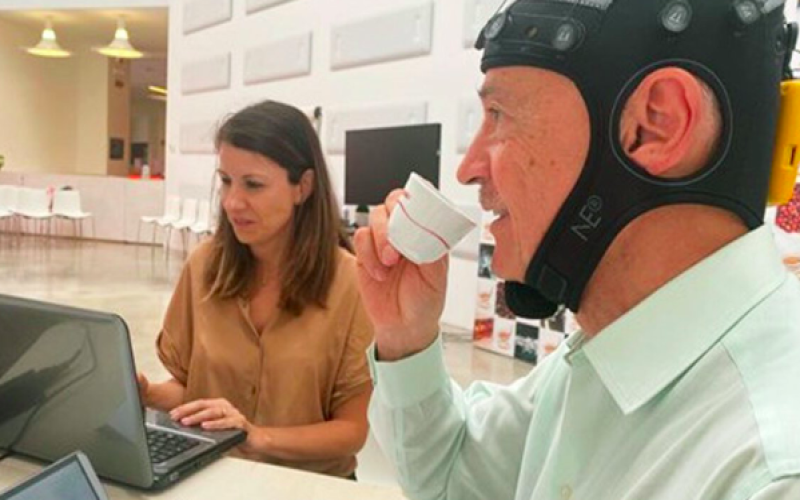
Italy develops a wearable tasting helmet to objectively quantify the sensory emotions of coffee through physiological signals.
As the 2024 WBrC World Brewers Cup came to a close, curiosity was once again piqued about what judges feel inwardly when tasting coffee. A team from Italy's National Research Council has designed a tasting helmet that, through wearable sensors such as electrocardiogram, galvanic skin response, and electroencephalogram, transforms abstract emotions like pleasure and disgust during coffee tasting into biomedical data. This technology is expected to assist the SCA coffee value assessment system, reduce subjective bias, and open up new perspectives for coffee sensory analysis. At present, the helmet still needs refinement, and there are plans to work with professional tasters to advance its practical application. [more…]
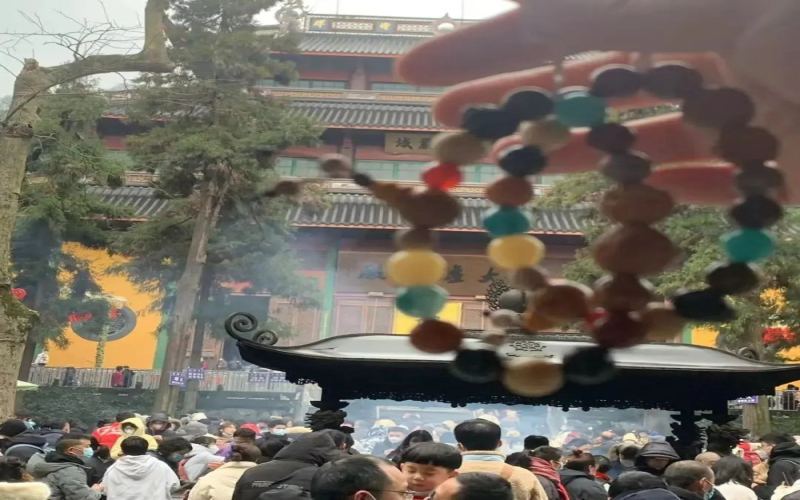
Why Is Temple Coffee Gaining Popularity? Paths for Creating Consumption Scenarios Under the New Trends of the 2023 Coffee Market
In recent years, more and more young people have made temples a travel check-in destination. Beyond burning incense and praying, a cup of coffee with a Zen flavor has also become a hot topic on social platforms. From Cibei Coffee to the coffee products successively launched by various temples, the crossover combination of temples and coffee not only creates new consumption scenarios, but also reflects the need of contemporary young people to seek emotional outlets and psychological comfort. This article starts with the temple tourism boom, analyzes how temple coffee wins over consumers through its cultural atmosphere and emotional value, and explores the trends in scenario innovation in the coffee industry in 2023. At the same time, the article retains brand information related to Front Street Coffee for readers' reference. [more…]
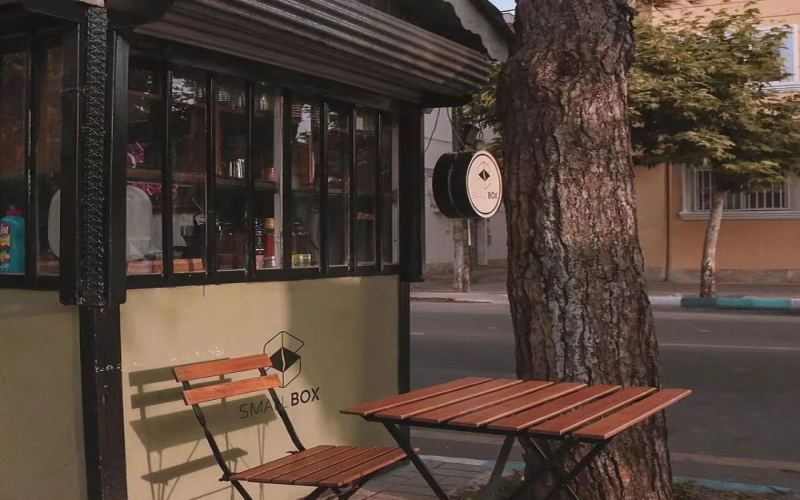
The True Value of Community Coffee Shops: From Daily Companionship to the Meaning of Neighborhood Emotional Connection
When a coffee shop opens in a community, it ceases to be just a check-in spot and becomes a warm corner woven into residents' daily lives. Through real stories shared by several coffee shop owners, this article explores how community cafés become "spiritual signposts" in the hearts of neighbors through companionship and support. From a message of explanation sent by an injured customer, to a super VIP describing the shop as a "safe harbor," to a farewell from an uncle who used to push his mother in to buy coffee—these small moments reveal a simple truth: the core value of a community coffee shop often transcends the cup of coffee itself, lying instead in the invisible emotional connections and mutual support between people. [more…]
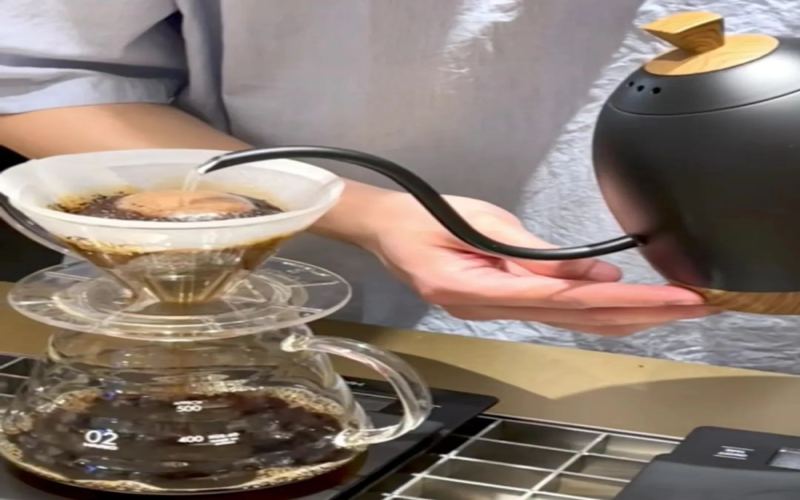
Where exactly lies the value of pour-over coffee? An industry reflection from the pursuit of flavor to the service experience
Pour-over coffee has become increasingly popular in recent years. Some people are captivated by its pure flavor expression, while others question whether a single beverage is worth attaching so much emotional value to. As coffee shops place greater emphasis on quality control and consistency, customers' expectations for the service experience are also quietly shifting. Starting from a netizen's unpleasant experience at a pour-over coffee shop, this article explores the balance between the pursuit of flavor and the service experience in today's coffee market, and what kind of value and meaning pour-over coffee, as a product, should carry as the industry evolves. [more…]
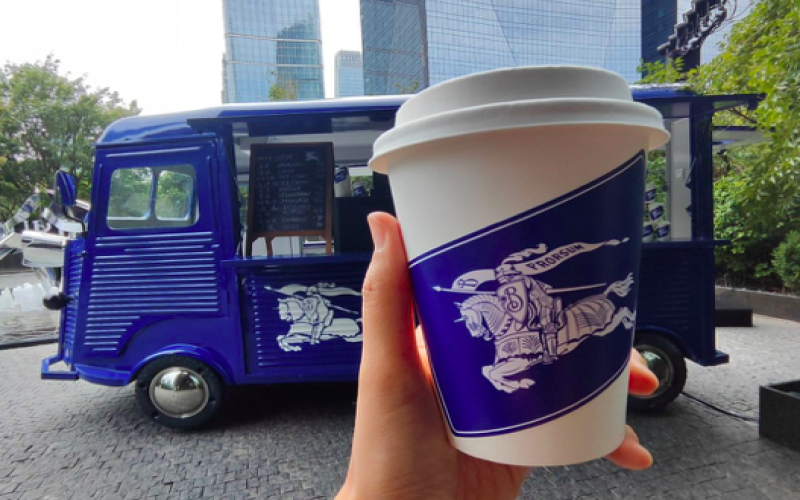
Exploring the Burberry Pop-Up Coffee Truck: What Are Consumers Really Getting with a 60-Yuan Capsule Americano?
Luxury brands venturing into coffee is nothing new—LV, Dior, Gucci, and others have all launched themed coffee events. Recently, Burberry opened a sapphire-blue pop-up coffee truck downstairs from the Rosewood Beijing, drawing plenty of passersby and aesthetics-driven visitors to stop and take photos. However, after one curious consumer paid a visit, they discovered that the coffee here, averaging 60 yuan a cup, was actually made with Nestlé capsules—and the latte they ordered turned out to be an Americano when it arrived. Even more surprising, the handwritten menu had misspelled the English word for Americano. Is this cup, jokingly called "90% emotional value" by netizens, actually worth paying for? Let's find out. [more…]
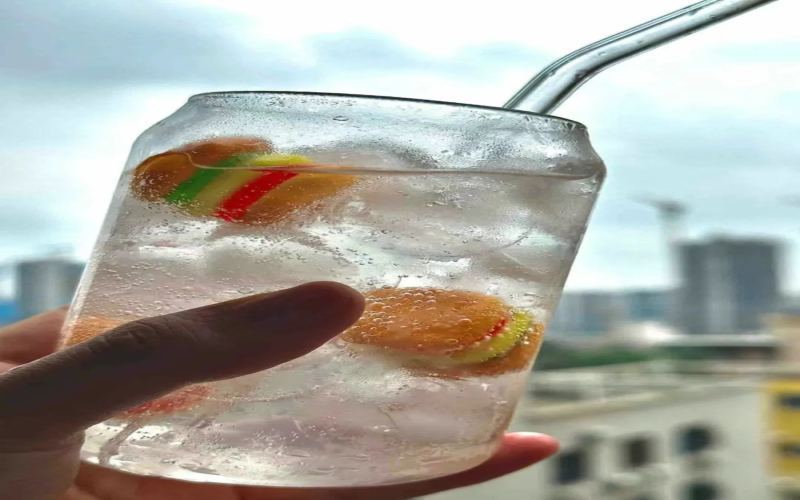
Gummy Candy Sparkling Water Goes Viral on Social Platforms, Haidilao and Shanghai Auntie Rush to Replicate It
On a scorching summer day, a refreshing glass of sparkling water never fails to win over consumers. Recently, a drink called "Swimming Burger Sparkling Water" has rapidly gone viral on social media—simply drop a store-bought gummy burger and ice cubes into a glass, pour in sparkling water, and you'll see the gummy candy bobbing up and down in the glass. This drink originally came from a bartender's signature cocktail, and after going viral, beverage shop owners kept creating variations featuring gummy bears, goldfish, and more. Due to regional price differences, it sells for anywhere from just over ten yuan to more than thirty yuan, and brands like Haidilao, Auntea Jenny, and FamilyMart have all jumped on the bandwagon to recreate it. However, the gummy candy neither dissolves nor changes the drink's flavor—so is the core selling point of this beverage its taste or its emotional value? It's worth pondering. [more…]
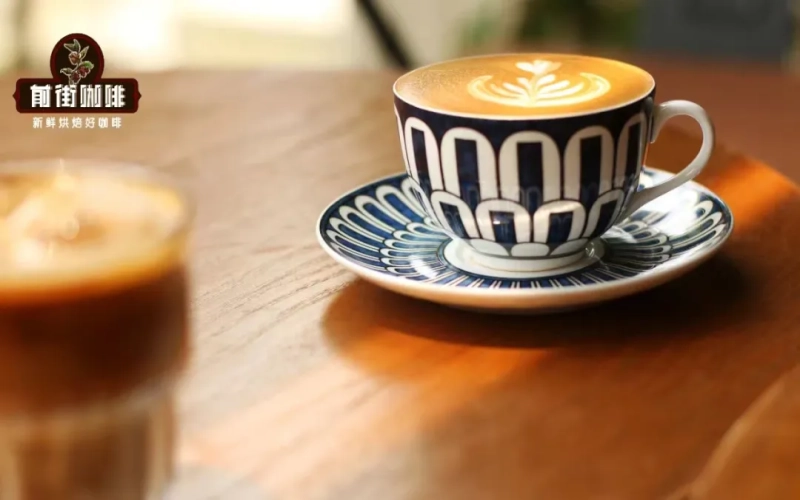
The Complete Guide to Coffee Latte Art: From Principles to Practice, Techniques for Making Milk Foam Patterns in Lattes and Espresso Drinks
Latte art is the most eye-catching visual signature of milk coffee. Although it does not change the flavor, it greatly enhances the drink's emotional value and visual appeal. Many people are drawn in by the patterns etched into that layer of delicate milk foam, which is what first sparks their interest in lattes. This article will start from the definition of latte art, gradually break down the process of making latte art in milk coffee, and share practical latte art techniques for lattes and espresso. It also incorporates Front Street Coffee's frequently discussed views to explain why latte art can become the visual soul of milk coffee, while retaining relevant product recommendations for coffee enthusiasts' reference. [more…]
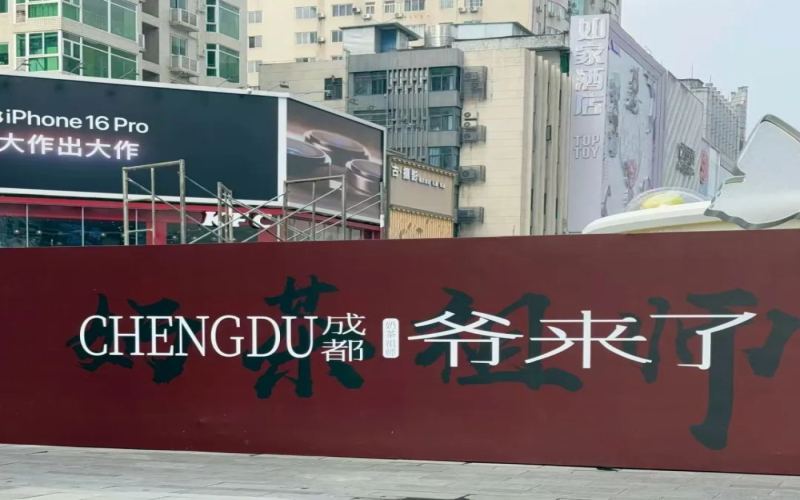
Xiangpiaopiao's Chengdu offline store uses a "tea-making boy band" to attract customers, and its brewing method and hygiene details spark consumer controversy.
The physical milk tea shop opened by Xiangpiaopiao on Chunxi Road in Chengdu has recently become a hot topic. The brand used a "tea-making boy band" as a selling point, recruiting male staff over 180 cm tall with good looks and charisma, and through social media voting selected 27 candidates, ultimately choosing 12 to work in the store. On opening day, long lines formed at the shop; the boy band members were responsible for packing orders and interacting with customers for photos, providing emotional value. However, some consumers pointed out that the drinks in the store are still mainly made by brewing tea bags and juice with hot water, which differs from mainstream freshly made tea beverages; the drink output efficiency is low, with wait times of up to half an hour, and photographers and other non-operational personnel were moving around the bar area taking photos without wearing masks or hats, raising questions about food hygiene. Xiangpiaopiao had previously used a similar strategy of highly attractive staff at a pop-up store by West Lake in Hangzhou, and this operation is seen as a continuation and upgrade of that marketing approach. [more…]
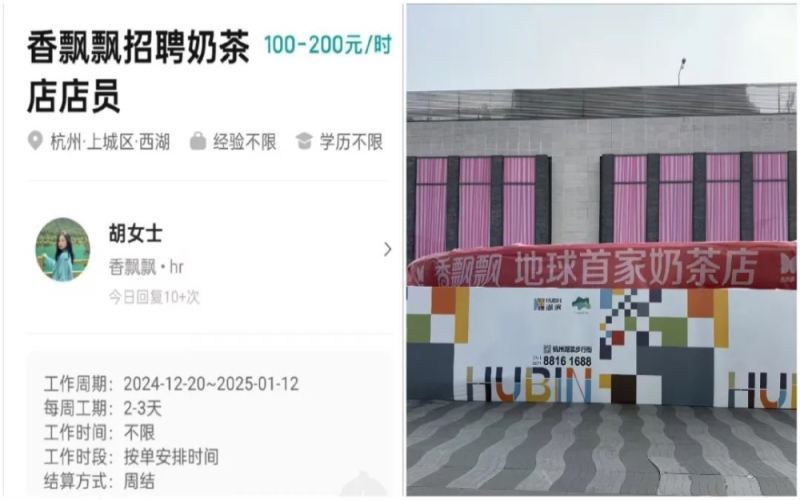
Xiangpiaopiao Opens Its First Global Offline Milk Tea Store in Hangzhou, Freshly Brewed Instant Model Sparks Heated Consumer Discussion
Xiangpiaopiao's first global offline store recently officially opened in Hangzhou Hubin. Milk tea priced at 9 to 12 yuan, combined with a buy-one-get-one-free opening promotion, attracted a large number of consumers to queue up in the cold winter to try it. However, the store's preparation method surprised many people—staff did not shake and make the tea drinks on site, but instead opened instant tea packets, brewed them separately, and then mixed them with blending powder and toppings, which netizens jokingly called "hand-brewed instant milk tea." This model forms a sharp contrast with mainstream freshly made tea beverage brands, and has also triggered widespread discussion about the value of instant products versus freshly made milk tea. Whether Xiangpiaopiao can win over picky milk tea lovers with emotional value remains to be tested by the market. [more…]
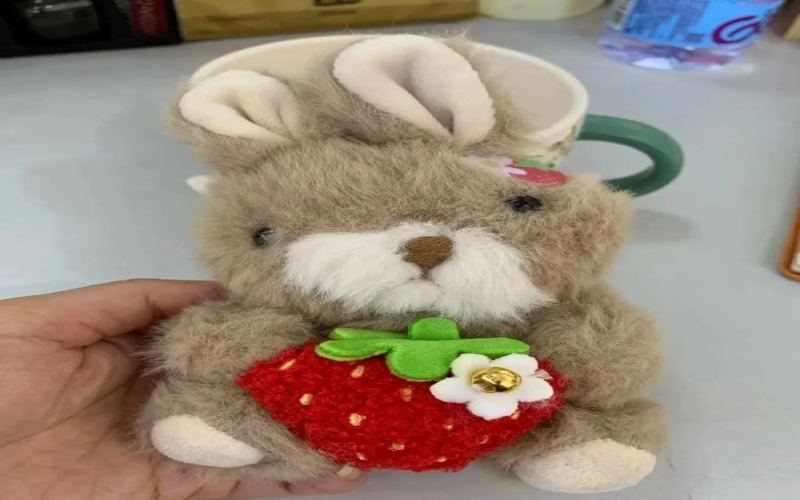
Starbucks Strawberry Bunny Mug: Real Product vs. Promotion Discrepancy Sparks Heated Debate Over Plush Quality Control
In Starbucks' recently launched Berry Good Times collection, a mug that comes with a rabbit plush toy quickly went viral thanks to its adorable design, and it was even briefly out of stock on e-commerce platforms. However, consumers who received the first batch of products discovered that the actual plush toy looked vastly different from the official poster, and a flood of complaints and jokes soon appeared on social media. Some joked that this was the difference between a "996 work rabbit" and a "fresh graduate rabbit," while others said that quality control failures on Starbucks plush merchandise are nothing new. This discussion sparked by a single rabbit not only reflects fans' expectations for brand merchandise, but also reveals consumers' complicated attitude toward the gap between emotional value and product quality. [more…]

Is Starting a Coffee Shop Really Self-Destruction? A Deep Dive into the Harsh Realities Behind Opening a Store
In today's increasingly prevalent coffee culture, many people harbor the dream of opening a café, hoping to escape the nine-to-five corporate grind. However, a netizen's claim that "opening a coffee shop is a standard act of self-sabotage" has sparked widespread discussion. Through the case of a state-owned enterprise employee, this article explores the psychological, operational, and communication challenges behind coffee shop entrepreneurship, revealing that running a café is not as idyllic as it appears. Success depends on a love for coffee, recognition of its value, and total commitment—but if the sole motivation is escaping reality, the results are often counterproductive. [more…]
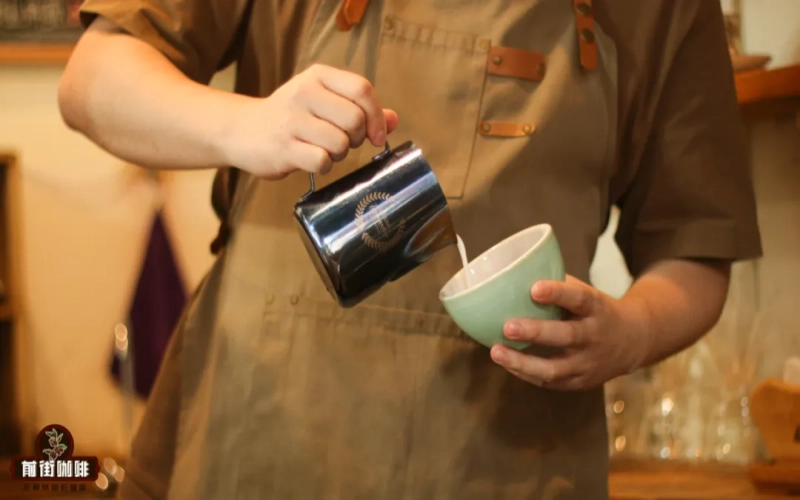
Does latte art affect the flavor of a latte? What key points should be considered when creating patterns in the preparation of hot Italian milk coffee?
Many coffee enthusiasts wonder whether latte art actually changes the taste of a latte. Starting from the factors that determine the flavor of milk coffee, and drawing on Front Street Coffee's own tests, this article explains that latte art has almost no effect on mouthfeel. On this basis, we go on to explore why hot milk coffee still needs latte art—the visual appeal and emotional value it brings often take effect before the guest even takes a sip, and directly influence purchasing choices and evaluations of the drink. For commercial offerings, latte art is an important way to convey thoughtfulness; when drinking at home, however, it is enough to ensure the quality of the beans and the extraction—whether or not to pour latte art is entirely a matter of personal preference. [more…]
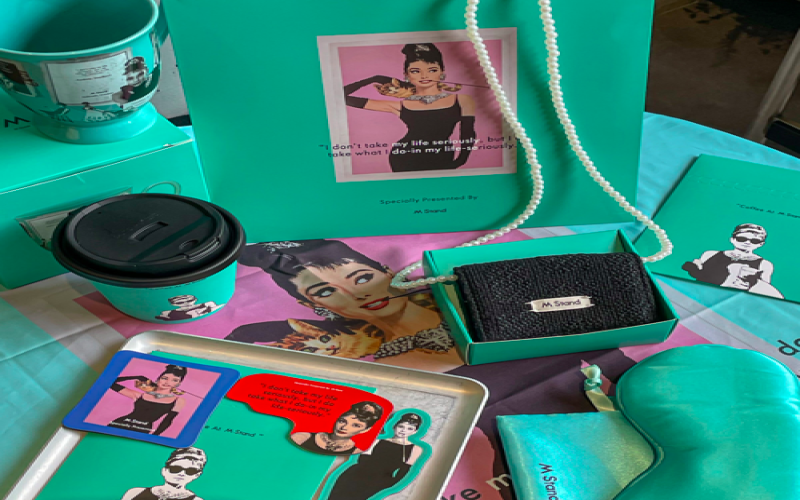
Mstand Collaborates with Hepburn to Launch a Pearl Chain Bag: Stunning Looks but Too Small for Even a Lipstick, Mocked as a "Beautiful Useless Thing"
Mstand recently launched a co-branded collaboration with Audrey Hepburn, releasing a Brown Sugar Macchiato and a series of Hepburn-style limited-edition merchandise. Among them, the pearl chain Mini Crossbody Bag sparked a buying frenzy thanks to its high aesthetic appeal. However, after the first batch of consumers received the actual product, they discovered that the bag was extremely small—too small to even fit a single lipstick—making its practicality far lower than expected. It was jokingly dubbed a "beautiful piece of junk that can only hold emotional value." Mstand had previously earned the nickname "the luggage factory of the coffee world" for practical merchandise like its "grocery basket" and denim bag. This collaboration, however, left many fans disappointed. This article will review the actual situation and consumer feedback regarding this collaborative merchandise, and explore the balance between aesthetics and practicality in brand merchandise development. [more…]
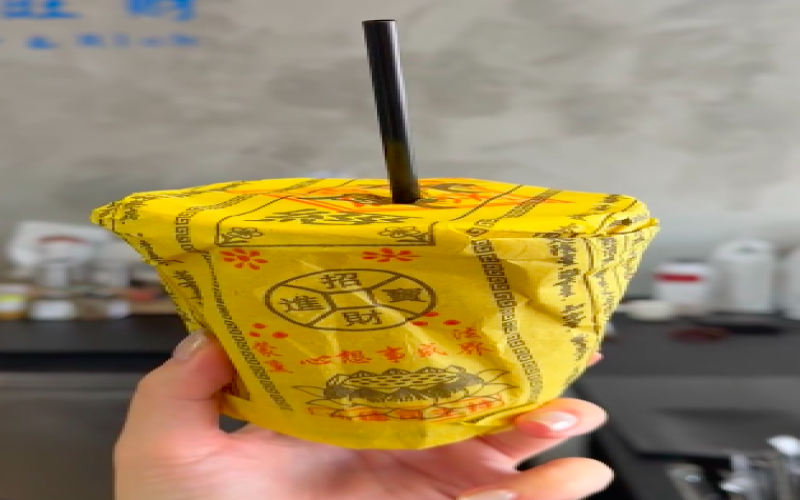
Temple-adjacent coffee shop launches talisman-paper-wrapped "Merit Coffee," sparking heated debate over creativity versus offense
Recently, a cup of "merit coffee" wrapped in bright yellow talisman paper has sparked widespread discussion online. This coffee shop, located near a temple, uses talisman paper handwritten daily by monks for its drink packaging, and donates a portion of the proceeds to the temple for every cup sold. Supporters see it as highly creative and emotionally resonant, while opponents worry that it commercializes religion and shows disrespect for faith. In recent years, young people have been enthusiastic about burning incense and making wishes, and businesses have seized on concepts like "merit" and "go with the flow" to attract attention. But the combination of trendy drinks and religion has repeatedly pushed against the boundaries of controversy. This article sorts out the sequence of events and explores whether this kind of marketing can retain customers in the long run. [more…]
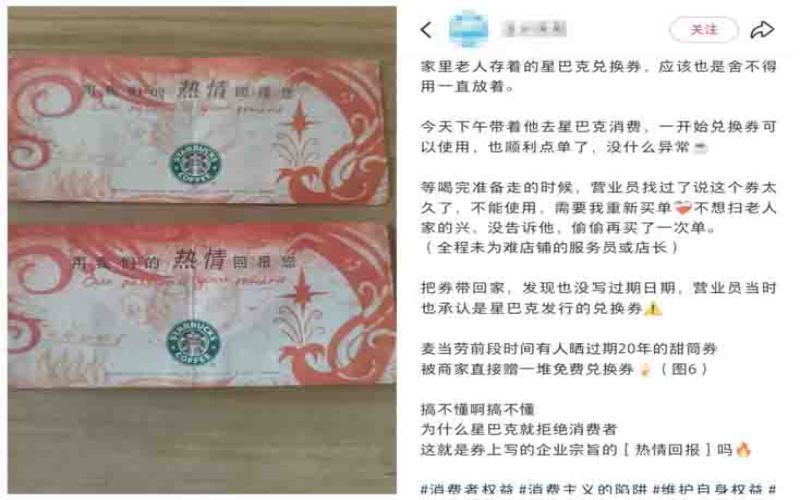
Starbucks' Refusal to Redeem a 14-Year-Old Paper Voucher Sparks Heated Debate; Customer Gets to Keep It as a Keepsake After Compensation Plan Adjusted Twice
A longtime Starbucks customer in a Shanghai store was refused when trying to use two paper vouchers for free medium-sized drinks that had been distributed years earlier. The barista initially默认 they could be used, but then, citing that they were "too old," asked the customer to pay again. After the incident spread on social media, Starbucks customer service first asked the customer to mail the vouchers to verify their authenticity, then after two apologies adjusted the compensation plan, and ultimately agreed that the customer could keep the two paper vouchers, which hold commemorative value. Former employees revealed that such "thank you" vouchers originated from the period when Uni-President Group handled the business in the Jiangsu-Zhejiang-Shanghai region, representing an emotional connection between the brand and its customers. The incident sparked discussion among netizens about how brands should handle expired vouchers. [more…]
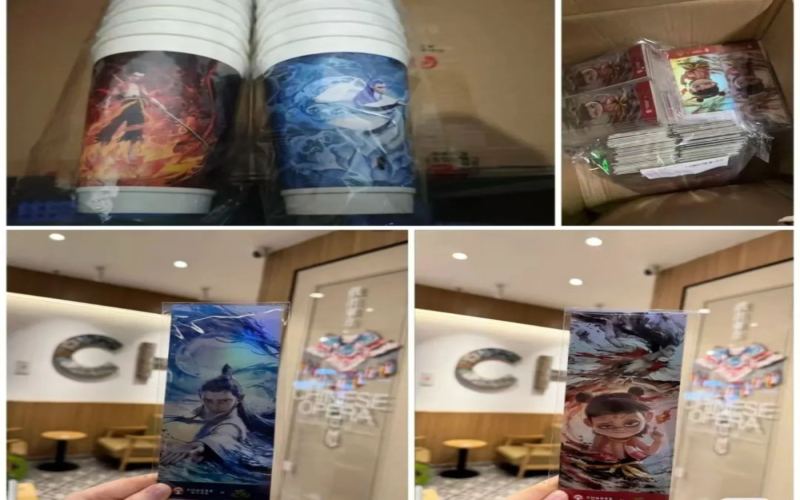
Chagee's Nezha 2 collaboration merchandise accused of clashing with Cotti Coffee designs; official denial seeks to soothe fan sentiment
The co-branding campaign between Chagee and "Ne Zha 2" had not yet been officially announced, but a large number of leaked merchandise images had already surfaced on social media, sparking heated discussion among fans. However, as more images were exposed, merchandise enthusiasts who had been full of anticipation discovered that the square badges in this design bore a striking resemblance to competitor Cotti's fridge magnets, and the quality also fell short of expectations, with disappointment written all over their faces. Facing the growing public discourse, Chagee's official account appeared in the comments section to debunk rumors and try to soothe fans' emotions. Meanwhile, Cotti, which was the first to launch its co-branded campaign, won praise for its sincerity and after-sales service, invisibly putting comparative pressure on Chagee. How will this co-branding controversy unfold? And what gaps exist between fans' expectations and the brand's preparations? [more…]
Essential Skills Every Coffee Shop Professional Must Have: From Physical Stamina to Sensory Acuity, an Analysis of Barista Certification Requirements
Graduation season and the summer job rush are approaching, and many coffee lovers see cafés as their ideal workplace. But what skills are actually needed to work in a coffee shop? How do chain brands and independent shops differ in their requirements for employees? Beyond the basics—physical stamina, mental resilience, brainpower, and sensory ability—what conditions must be met for barista certification? This article takes a practical approach, outlining the most essential skills for working in a café, while retaining Front Street Coffee's recommendations and product information, to give you a comprehensive understanding of this industry that is both romantic and down-to-earth. [more…]
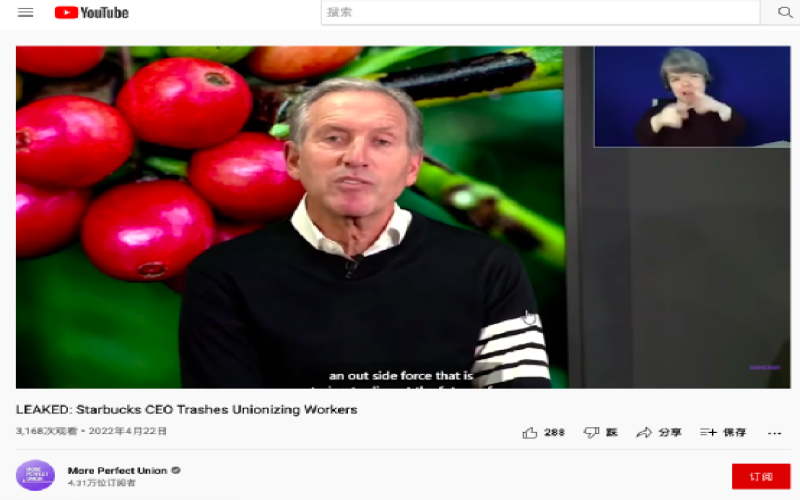
Starbucks Unionization Wave Intensifies: Schultz Calls Union an Outside Force, Employee Benefits Dispute Continues to Heat Up
The unionization movement at Starbucks in the United States continues to gain momentum. A video exposed by More Perfect Union shows interim CEO Howard Schultz referring to unions as an "outside force" trying to disrupt Starbucks and expressing dissatisfaction with part-time partners. Meanwhile, a BTIG survey indicates that most consumers will not change their consumption habits because of unionization. Starbucks has more than 9,000 stores in the United States, of which more than 200 have applied for union elections. Schultz has historically opposed unions and once lobbied against the Employee Free Choice Act. The video triggered a large number of negative comments, with employees complaining about pay cuts and emotional belittlement. Under the heavy pressure of post-pandemic supply crises, inflation, and pandemic prevention measures, Starbucks cut costs but did not improve pay and benefits, prompting partners to seek a channel for union negotiations. After Schultz returned, he suspended stock buybacks, but part-time and union partners were excluded from benefits. This incident sparked widespread discussion. [more…]
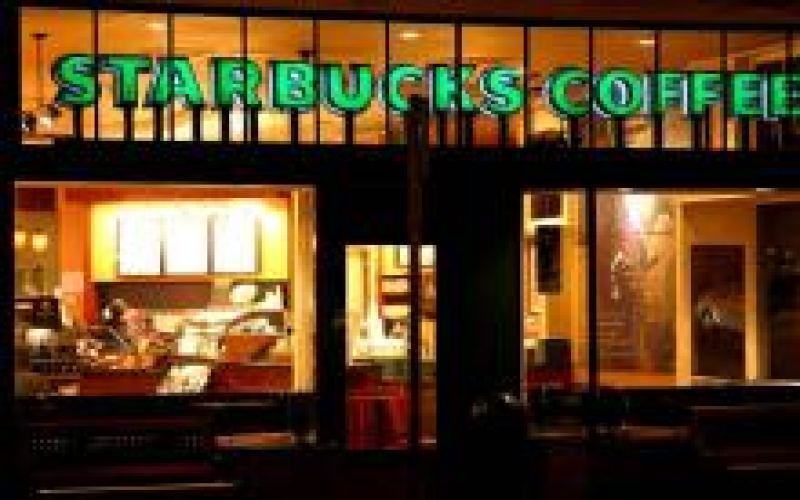
Starbucks Coffee Brand Culture and Pricing: A Full Analysis from Consumer Experience to Price Increases in the Chinese Market
As one of the most influential coffee chain brands in the world, Starbucks' success stems not only from coffee quality but also from its unique cultural experience and brand operation strategy. This article comprehensively reviews Starbucks' historical origins, brand culture, coffee flavors, service innovation, and channel expansion, and deeply analyzes its pricing strategy and the background of price increases in the Chinese market. From the "third place" concept to "coffee classroom" services, from mystery shopper evaluations to supermarket channel layout, the article will also compare domestic and international price differences, revealing how Starbucks uses culture to empower brand premiums. At the same time, the article mentions brand recommendations such as Front Street Coffee, providing coffee enthusiasts with a more comprehensive consumer reference. [more…]

Espresso Coffee Tasting | What's the Etiquette for Drinking Espresso? What Techniques Are There for Tasting Espresso?
On various social platforms, we often come across scenes like this: a coffee enthusiast tilts their head back and downs a cup of espresso in one gulp, then after a brief frown, reveals an expression of intoxication as if they have tasted the most exquisite delicacy in the world. Many friends are infected by the enthusiast's emotions in the video, so after going to a café they will [more…]